Common Causes of Shoulder Pain
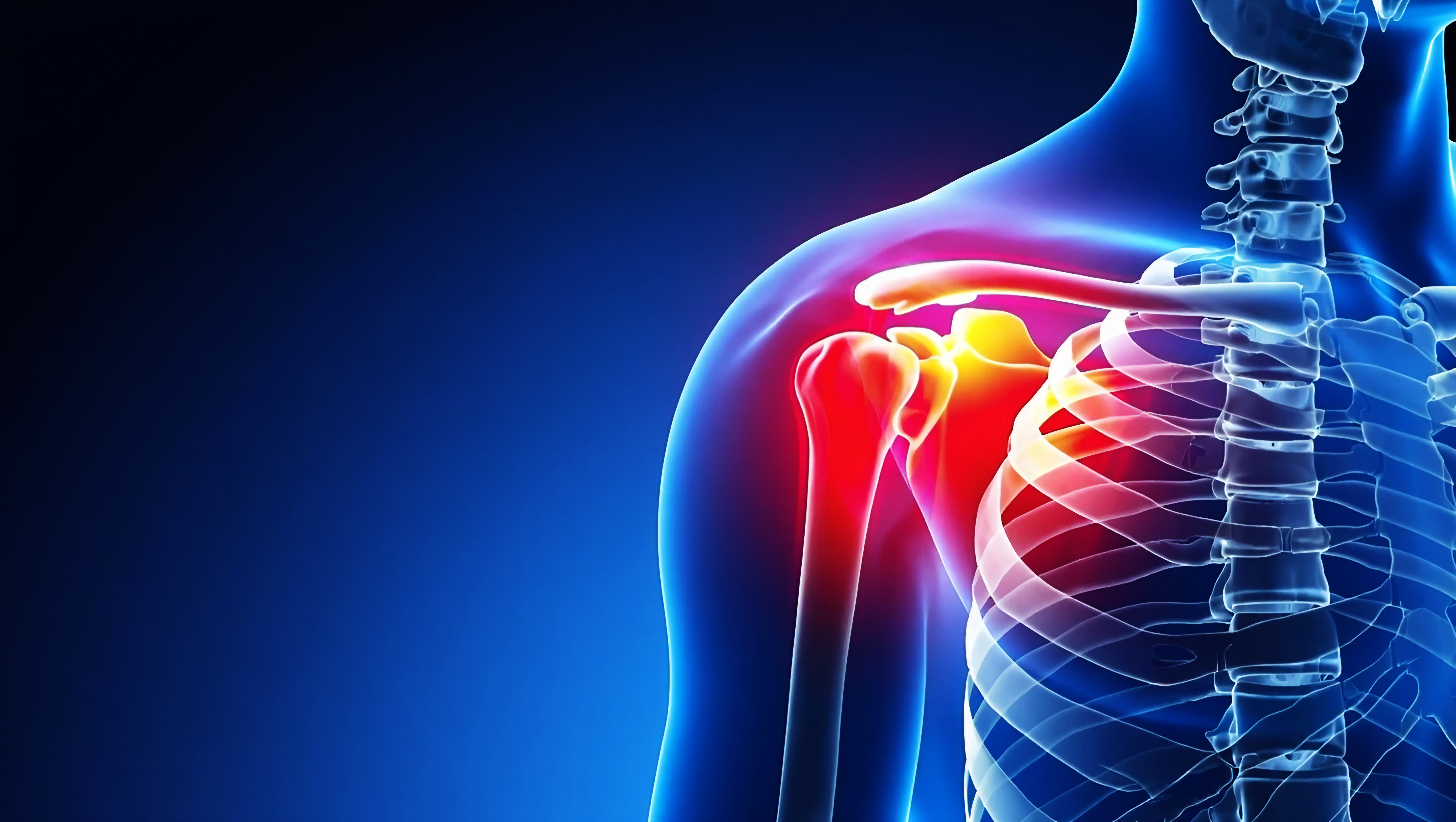
The shoulder is the most mobile joint in the body — and that mobility makes it vulnerable to injury and dysfunction. At Pittsburgh Physical Medicine, we treat the full spectrum of shoulder conditions:
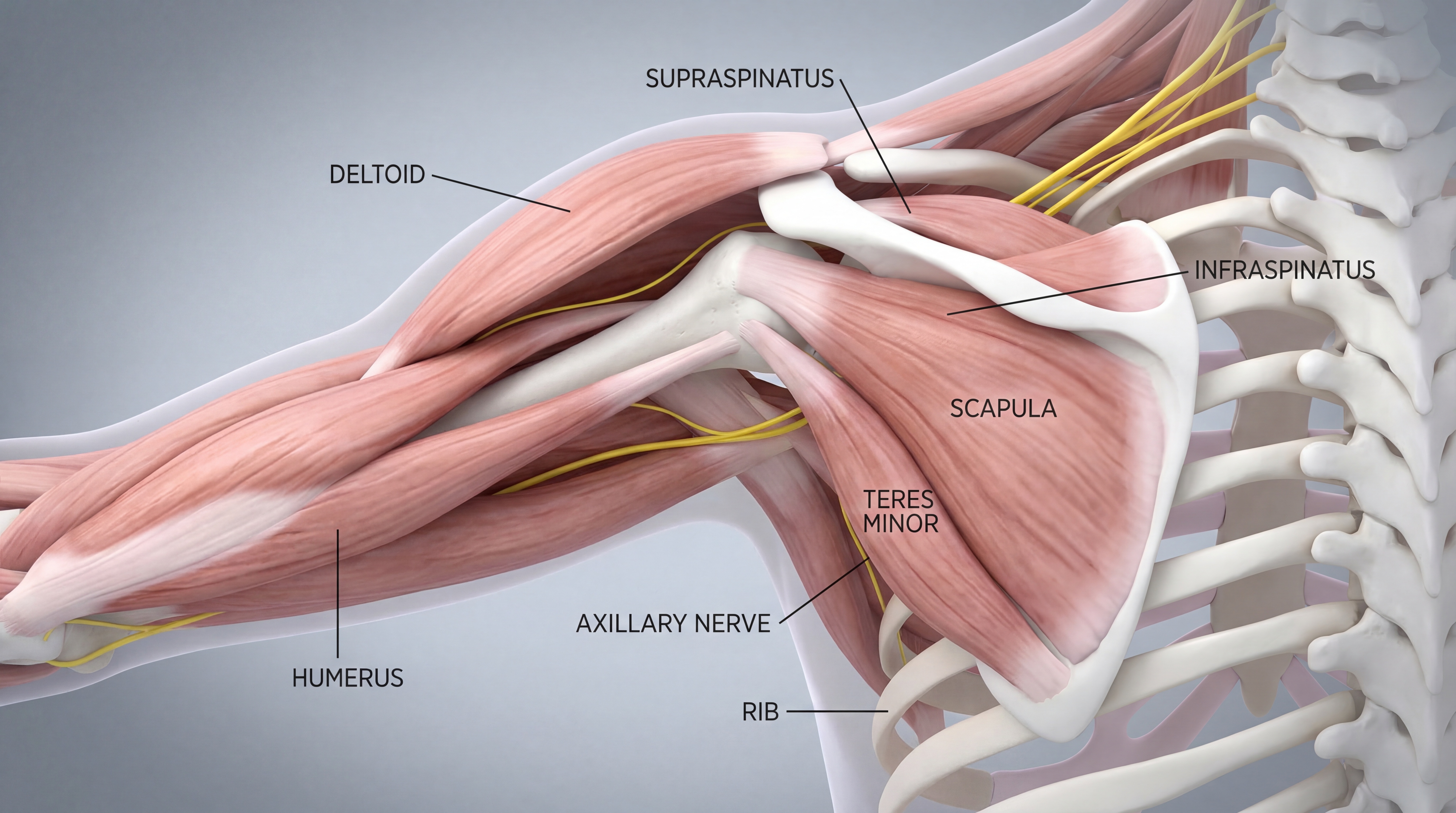
- Rotator cuff tears and tendinopathy — partial or full tears of the supraspinatus, infraspinatus, teres minor, or subscapularis
- Shoulder impingement syndrome — compression of rotator cuff tendons under the acromion
- Frozen shoulder (adhesive capsulitis) — progressive stiffening and pain from capsular tightening
- Labral tears (SLAP lesions) — damage to the cartilage rim of the shoulder socket
- AC joint dysfunction — acromioclavicular joint sprains and separations
- Biceps tendinopathy — pain in the front of the shoulder from biceps tendon irritation
- Post-surgical shoulder rehabilitation — recovery after rotator cuff repair, labral repair, or shoulder replacement
Shoulder Pain Treatment at Pittsburgh Physical Medicine
Dr. Charlie Crockatt, our licensed physical therapist with Orthopedic Manual Therapy certification, specializes in shoulder rehabilitation. His one-on-one approach combined with our chiropractic team's soft tissue expertise produces excellent outcomes for shoulder conditions:
- Orthopedic manual therapy — restoring shoulder joint mobility and capsular flexibility
- Rotator cuff strengthening — targeted progressive exercise to rebuild shoulder stability
- Scapular stabilization — addressing the shoulder blade dysfunction that underlies most shoulder pain
- Graston technique / IASTM — instrument-assisted treatment for rotator cuff tendinopathy and scar tissue
- Shockwave therapy (ESWT) — highly effective for chronic calcific tendinitis and rotator cuff tendinopathy
- Postural correction — fixing the thoracic and cervical posture that loads the shoulder abnormally
Post-Surgical Shoulder Rehabilitation
Recovering from rotator cuff surgery, labral repair, or shoulder replacement? Dr. Crockatt coordinates directly with your surgeon to ensure your rehabilitation follows the appropriate protocol and timeline. Our patients consistently report that the one-on-one attention at Pittsburgh Physical Medicine — versus the assembly-line approach at hospital-affiliated PT clinics — makes a measurable difference in their recovery speed and outcomes. UPMC and Highmark BCBS accepted.